Keno | Keno Demo & 2jli Keno Guide
Keno is a quick number-draw cards game built around selection, reveal, and comparison. This page gives a direct Keno answer first: choose numbers, review the displayed rules, watch the draw, and compare the result with your ticket. A Keno Demo can make the sequence familiar before a player considers a funded session.
For visitors exploring 2jli Keno, the useful starting point is not a promise of a result. It is a clear view of the board, the draw schedule, the available stake controls, and a personal stopping point. The 2jli demo approach keeps the first look simple, while 2jli games provide other formats when a number draw is not the right fit.
Card Choices Alongside Keno
If Keno is not the right pace, these related cards records offer a different way to explore the same 2jli games collection. Each item uses the site's promotion action.


How Keno Works: The Mechanics Made Clear
The short answer is that Keno joins a player ticket to a random draw. The player marks a permitted set of numbers, confirms the stake and paytable, then lets the game reveal its results. The number of matches, the selected combination, and the published rules determine the displayed outcome. Nothing in a previous draw changes the next draw.
Keno selection and ticket setup
Begin by reading the number range and selection limit on the Keno screen. A smaller selection is easy to review, while a larger selection changes the possible match patterns and the price of a ticket. In a Keno Demo, practice clearing a choice, reselecting a number, and checking the total before confirming. This is a useful 2jli Keno habit because it reduces accidental taps on a small mobile screen.
Keno draw, matches, and paytable
After confirmation, the draw reveals numbers in sequence. The board should make selected numbers and drawn numbers visually distinct. Count matches only against the stated paytable; an attractive streak of recent results is not a forecast. The Keno Demo view is best used to understand the display and timing rather than to infer a pattern.
Stake control is part of the mechanic. Decide the amount before the reveal, keep the same unit while learning, and avoid changing it to recover a previous result. A calm Keno session has a beginning, a small number of planned rounds, and a clear end. Players who want to compare formats can also view the plain-language information in the Cai Shen Fishing guide without turning a Keno decision into a cross-game chase.
What the Keno Image Tells You About Play
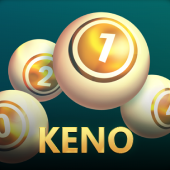
The Keno artwork signals a compact, card-oriented experience, but the important observations happen in the live interface. Look for a readable number grid, an obvious selected state, a visible stake total, a reset control, and a results area that separates drawn numbers from unselected numbers. Those details matter more than decorative motion when a player is learning on a phone.
During a Keno Demo, check whether the board remains legible at 320px wide, whether controls are reachable without zooming, and whether the outcome stays visible long enough to read. A useful screen gives the player enough time to verify the ticket and the result. When moving to a funded session, use the same checks and leave if the rules, stake, or result display is unclear.
Keno Guidance for Different Player Situations
The best Keno guidance depends on the reason for opening the game. A first visit needs orientation, a short recreational visit needs a firm limit, and an experienced player still needs the same respect for random outcomes. The suggestions below describe use cases rather than a winning system.
For a new visitor, the right order is learn, preview, set a limit, and then decide. For a returning visitor, record only simple facts such as session length and amount planned; do not treat a record as a prediction tool. A Keno Demo can answer interface questions, but it cannot establish a future result.
For a player who enjoys variety, the Crazy777 game page offers a different slot-style context to compare with a number draw. For a live-table atmosphere, the Casino Marina Andar Bahar overview explains another format. These are navigation choices, not claims that one game is more likely to win.
Always keep entertainment separate from financial planning. Never use rent, food, emergency savings, borrowed funds, or money needed for another obligation. If a planned limit no longer feels comfortable, stop and use the platform's support or safety resources. That advice applies to Keno, Keno Demo testing, and every other 2jli game.